
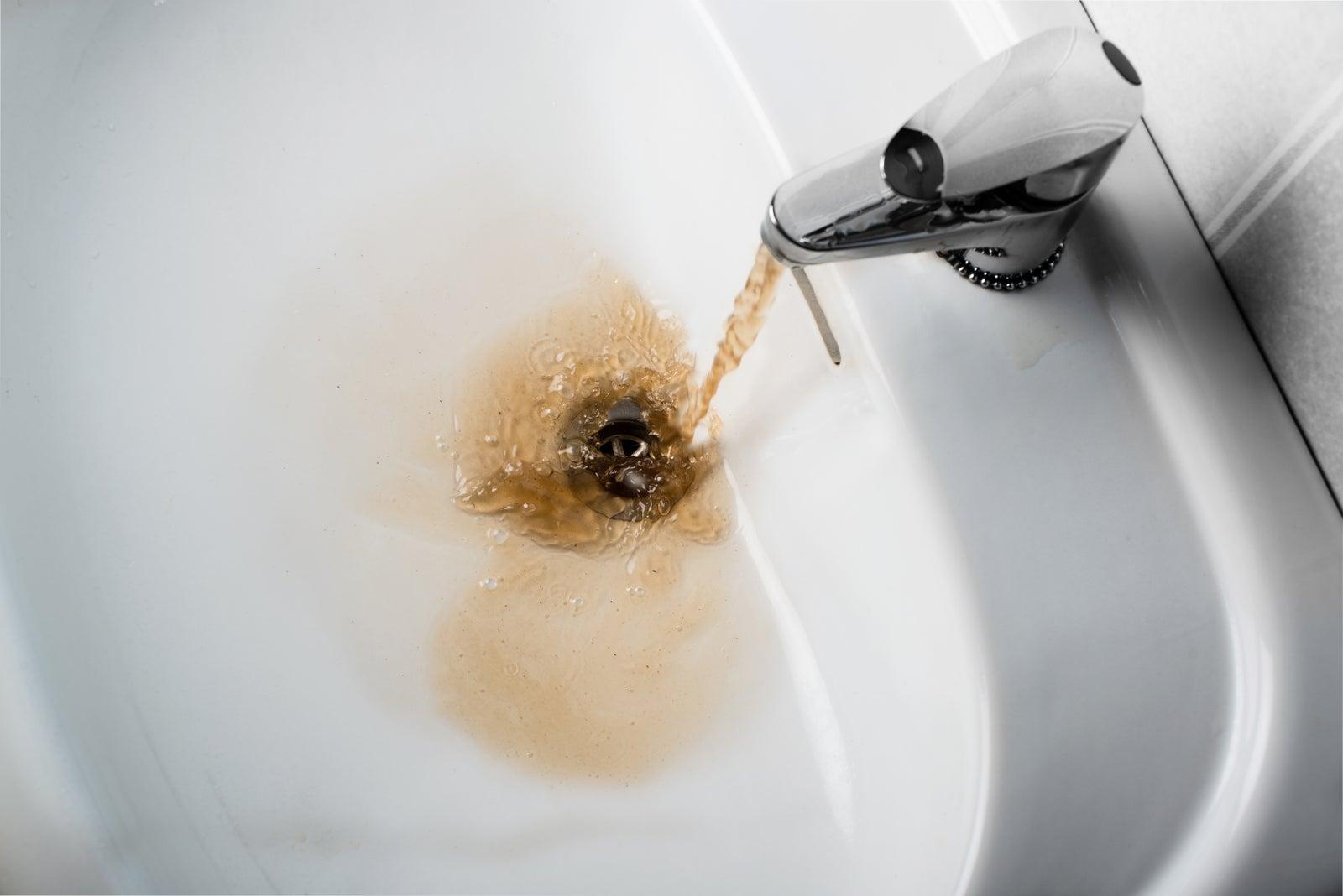
Quick answer: A home sewer backup happens when wastewater can't leave your home's sewer line and comes back up through the lowest drains. Grease, wipes, tree roots, aging pipes, and heavy rain are the usual causes. Stop using water, keep people away, and call a licensed plumber. Most homeowners insurance excludes sewer backup unless you add coverage.
On this page:
What is a home sewer backup?
What causes a sewer backup?
Warning signs of a backup
Homes without a basement
What to do right now
Health risks
How a plumber fixes it
What it costs
Cleanup: what to save and toss
Insurance
Prevention
When to call a plumber
FAQs
Few things in a home are as alarming as dirty water rising in your shower or bubbling up from a drain. A sewer backup is unpleasant, it can make people sick, and it rarely fixes itself.
The good news is that most backups have a clear cause, and a few quick steps can limit the damage. This guide covers what a home sewer backup is, what causes it, what to do in the first hour, what it costs to fix, and how to keep it from happening again.
If sewage is coming into your home now, Sansone's licensed plumbers serve West Palm Beach and communities across Southeast Florida. Call 561-406-4410.
What Is a Home Sewer Backup?
A home sewer backup happens when wastewater can't flow out of your home's sewer line to the city sewer main or septic tank. With nowhere to go, it comes back up through the lowest drains in the house, usually a ground-floor shower, tub, or toilet. The cause can be in your own line or in the public system.
Who Owns What: The City Sewer Main vs. Your Sewer Lateral
Your sewer lateral, also called the service line, is the pipe that carries wastewater from your house to the public sewer main, usually under the street. In most communities, the homeowner is responsible for the lateral and the utility is responsible for the main. That split decides who fixes the problem and who pays for it. Rules vary by city and utility, so check with yours.
Sewer Backup vs. Septic Backup
Many homes in Palm Beach, Martin, and St. Lucie counties use a septic system instead of city sewer. A septic backup looks the same inside the house, but the cause is different: a full tank, a clogged outlet, or a drainfield so saturated it can't absorb more water.
If you're on septic, the fix is usually pumping the tank or repairing the drainfield rather than clearing a line to the street. Not sure which you have? If your utility bill includes a sewer charge, you're on city sewer.
What Causes a Sewer Backup in a House?
Most backups trace back to one of six causes:
Fats, oils, and grease (FOG). Cooking grease poured down the sink cools, hardens, and coats the inside of pipes. Over time it catches food scraps and narrows the line until water can't get through.
Wipes and hygiene products. "Flushable" wipes don't break down the way toilet paper does. Along with paper towels, cotton swabs, and feminine products, they snag inside pipes and build into blockages.
Tree roots. Roots are drawn to the moisture in sewer lines and grow into small cracks and joints. Once inside, they spread and trap waste. Older lines near large trees are most at risk.
Aging or failing pipe. Many older homes still have cast iron or clay sewer lines, and some have Orangeburg pipe, a tar-paper pipe that deforms with age. Pipes can also develop a belly, a sagging section where waste settles and builds up.
Heavy rain, storms, and king tides. Tropical storms, hurricanes, and seasonal king tides can overload city sewer systems and raise the water table. When the public system is full, wastewater can push back into homes.
A full septic tank or saturated drainfield. In septic homes, a tank that's overdue for pumping or a drainfield flooded by heavy rain leaves wastewater nowhere to go but back into the house.
Warning Signs of a Sewer Line Backup
A sewer line rarely fails without warning. Watch for:
Several slow drains at once, not just one sink
Gurgling toilets or drains, especially while another fixture is running
A sewage smell inside the house or near the outdoor cleanout
Water rising in the tub or shower when you flush a toilet or run the washing machine
Soggy, foul-smelling, or unusually green patches of lawn along the path of the sewer line
Catching these early can turn an emergency into a scheduled repair.
Is It a Clogged Drain or a Main Sewer Line Backup?
Compare what you're seeing against this table before you call anyone. It will tell you whether you're dealing with one fixture or the whole line.
Sign | Clogged drain | Main sewer line backup |
|---|---|---|
How many fixtures | One sink, tub, or toilet | Several fixtures at once |
Where water shows up | At the clogged fixture only | The lowest drains first, usually a ground-floor shower or tub |
When you flush or run water | Nothing happens elsewhere | Water rises or gurgles in other drains |
Outdoor sewer cleanout | Dry | Holding water or sewage |
Does a plunger help? | Often | Rarely |
Who to call | DIY or a plumber | A licensed plumber, or your utility if the city main is blocked |
Where Sewage Backs Up in a Home Without a Basement
Most sewer backup advice assumes a basement. In South Florida, most homes are built slab-on-grade, so the lowest drains in the house are the ground-floor shower, tub, and toilet. That's where sewage usually shows up first.
If one of those fixtures fills with dirty water when you use another, check your sewer cleanout. A cleanout is a capped pipe, usually 3 or 4 inches wide, that gives plumbers direct access to the sewer line. In most Florida homes, it sits outside near the foundation, often on the side of the house closest to the street.
Loosen the cap slowly and stand to the side, since built-up pressure can push sewage out. If water is standing in the cleanout pipe, the blockage is between the cleanout and the street, which means a main line problem. If it's dry, the clog is likely inside the house.
What to Do During a Home Sewer Backup
Take these steps as soon as you notice sewage coming up:
Stop using all water. Don't flush toilets, run sinks, or use the dishwasher or washing machine. Every gallon you send down the drain has to go somewhere.
Keep kids and pets away. Close off the affected area until it has been cleaned and disinfected.
Shut off power to wet areas if it's safe. If water is near outlets, cords, or appliances, turn off those circuits at the breaker panel. Never stand in water to reach the panel.
Don't use chemical drain cleaners. They rarely clear a main line blockage, and they can damage pipes and splash onto anyone working on the line.
Ask your neighbors. If other homes on your street have the same problem, the blockage is probably in the city main.
Call the right people. Call your utility if the problem is in the public main. Call a licensed plumber if it's your line or you aren't sure.
Photograph everything before cleanup. Pictures of the water, the damage, and affected belongings will help with any insurance claim.
Sewage coming into your home? Sansone's licensed plumbers are available 7 days a week across Southeast Florida, and we never charge extra for emergency plumbing service, evenings, or weekends. Call 561-406-4410.
Is Sewage Backup Dangerous to Your Health?
Yes. Sewage carries bacteria, viruses, and parasites. According to the Virginia Department of Health, the most common illnesses from exposure are gastrointestinal problems, such as nausea, vomiting, and diarrhea, and skin rashes or infections. If you develop symptoms after contact with sewage, call your doctor.
Other hazards to keep in mind:
Electrical shock where water reaches outlets, cords, or appliances
Open wounds: wash and disinfect any cut that touches sewage right away
Toxic fumes: never mix bleach and ammonia, which creates a dangerous gas
If you handle anything, wear rubber gloves, waterproof boots, and eye protection, and wash your hands as soon as you're done.
How a Plumber Fixes a Sewer Backup
The right fix depends on what's blocking the line and what shape the pipe is in. A licensed plumber will usually use one or more of these methods:
Snaking (augering). A motorized cable is fed through the cleanout to break up and pull out the clog. It's the fastest way to get water flowing again.
Sewer camera inspection. A waterproof camera on a flexible line shows exactly what's inside the pipe, whether that's grease, roots, a crack, or a belly. It tells you whether the problem is likely to come back.
Hydro jetting. High-pressure water scours grease, scale, and roots off the pipe walls, cleaning the line more thoroughly than a snake.
Sewer line repair or replacement. If the camera shows broken, collapsed, or root-damaged pipe, that section needs to be repaired or replaced.
Sansone provides drain cleaning and unclogging, sewer line repair, and full water and sewer services for homes across Southeast Florida.
How Much Does It Cost to Fix a Sewer Backup?
There’s no single price for a sewer backup, because no two backups are the same. What you’ll pay depends on a few things:
What’s causing the blockage. Clearing a grease or wipes clog is usually quicker and simpler than removing tree roots or repairing broken pipe.
Where the problem is. A clog near an accessible cleanout is easier to reach than damage deep in the line or under a driveway, slab, or landscaping.
The condition of the pipe. If a camera inspection shows cracked, collapsed, or sagging pipe, the line may need repair or replacement rather than just cleaning.
How much pipe is involved. Repairing a short section costs less than replacing a long run of sewer line.
Whether sewage reached your home. Cleanup and restoration of floors, drywall, and belongings is a separate cost from the plumbing repair.
In general, clearing a clog is the least expensive fix. A camera inspection adds to the cost, but it shows whether the problem is likely to come back. Repairing or replacing pipe is the biggest investment. Acting on the warning signs early is the best way to keep a backup on the less expensive end.
Does Homeowners Insurance Cover Sewer Backup?
Usually not on its own. Most standard homeowners policies exclude water that backs up through sewers or drains. Coverage typically requires a separate water backup or sewer backup endorsement, which many insurers sell as an add-on.
If you have coverage, or aren't sure:
Photograph the damage before you clean anything
Ask your insurer before throwing out damaged items
File your claim as soon as possible
Keep every receipt for plumbing, cleanup, and repairs
Policies vary, so ask your insurance agent exactly what your policy covers before you need it.
How to Prevent a Home Sewer Backup
A few habits and upgrades go a long way:
Throw grease in the trash. Let it cool in a can or jar instead of pouring it down the sink.
Flush only toilet paper. Even wipes labeled "flushable" belong in the trash.
Use drain strainers in sinks and showers to catch hair and food.
Schedule a camera inspection if your home is older, has large trees near the sewer line, or has backed up before.
Install a backwater valve. This one-way valve lets wastewater leave your home but stops it from flowing back in when the city system is overloaded.
Keep the cleanout accessible, capped, and clear of landscaping.
Prepare before hurricanes. Before a major storm, plug or cap low drains, such as floor drains and ground-floor showers, to keep surging sewage out.
Pump your septic tank on schedule. The EPA says household tanks are typically pumped every three to five years.
If storms tend to flood your property, Sansone's sump pump services and backflow testing and prevention can add another layer of protection.
When to Call a Plumber
A plunger is fine for a single clogged toilet or sink. Call a licensed plumber if:
More than one fixture is backing up
Sewage is on the floor or coming up through a drain
Your outdoor cleanout is full of water
Backups keep coming back
You smell sewage and can't find the source
Sansone Air Conditioning & Plumbing has served South Florida homeowners since 1976, and thousands of five-star Google reviews show why our promise is simple: we deliver amazing service. Our licensed plumbers (FL Plumbing Lic. CFC1430582) offer same-day service, an on-time guarantee, and a 100% satisfaction guarantee, with no extra charge for emergency, evening, or weekend calls.
We serve homeowners in West Palm Beach, Jupiter, Boca Raton, Fort Lauderdale, Port St. Lucie, and surrounding communities.
See all of our water and sewer services, or call 561-406-4410. Serving homeowners across Southeast Florida.
Home Sewer Backup FAQs
Who is responsible for a sewer backup, the city or the homeowner?
It depends on where the blockage is. Homeowners are usually responsible for the sewer lateral, the pipe that runs from the house to the public sewer main, while the utility maintains the main itself. If your neighbors are backing up too, call your utility. If it's only your home, call a licensed plumber.
Does homeowners insurance cover sewer backup?
Usually not. Most standard homeowners policies exclude sewer and drain backups unless you've added a water backup or sewer backup endorsement. If you do have coverage, photograph the damage before cleanup, file your claim quickly, and keep every receipt. Ask your insurance agent what your policy covers before you need it.
Can a sewer backup make you sick?
Yes. Sewage contains bacteria, viruses, and parasites that can cause gastrointestinal illness, such as nausea, vomiting, and diarrhea, as well as skin rashes and infections. Keep children and pets away, wear gloves, boots, and eye protection during cleanup, and call your doctor if you develop symptoms after exposure.
Can I use a chemical drain cleaner on a sewer backup?
No. Chemical drain cleaners rarely clear a main sewer line blockage, and they can damage older pipes. The chemicals also sit in the backed-up water, where they can burn skin and eyes and endanger anyone who works on the line. A licensed plumber can clear the line safely with the right equipment.
Why does my shower back up when I flush the toilet?
That usually points to a blockage in the main sewer line. When you flush, the water can't get past the clog, so it rises out of the next lowest drain, which in most South Florida homes is a ground-floor shower or tub. Stop using water and call a plumber to inspect and clear the main line.
How often should I have my sewer line inspected?
A sewer camera inspection every few years is a good rule for most homes, and more often if your home is older, has cast iron or clay pipe, has large trees near the line, or has backed up before. It's also smart before buying a home. Septic systems should be inspected at least every three years.
Related Articles
What do you need help with today?
Heating
No heat, strange smells, rising bills? We repair and replace heating systems to keep your home reliably warm.
Air Conditioning
AC blowing warm air? Uneven cooling in your rooms? We fix cooling issues fast and keep your system running smoothly all summer.
Plumbing
Our highly trained plumbers handle it all, from leaky faucets to full system installations and repipes.
Electrical
The smartest team in town. You need repair, installations, wiring, inspections, lighting — you name it.